Factories release large amounts of heat through ovens, compressors, boilers, dryers, and ventilation systems. Heat-recovery projects capture part of that energy and use it elsewhere, reducing fuel purchases without cutting production. As energy prices and emissions targets receive greater attention, manufacturers are examining waste heat as an asset rather than an unavoidable by-product.
The simplest opportunities are often close to the source. Warm exhaust can preheat incoming air, hot water can feed a cleaning process, and compressor heat can warm a warehouse. Short distances matter because heat loses value as it travels. Projects that connect nearby processes usually cost less and are easier to maintain than complex site-wide networks.
Engineers begin with a heat map of the facility. They record temperature, flow, operating hours, and the timing of demand. A high-temperature source is not automatically valuable if it runs only when no other process needs heat. Matching availability with a stable use is more important than selecting the most impressive piece of equipment.
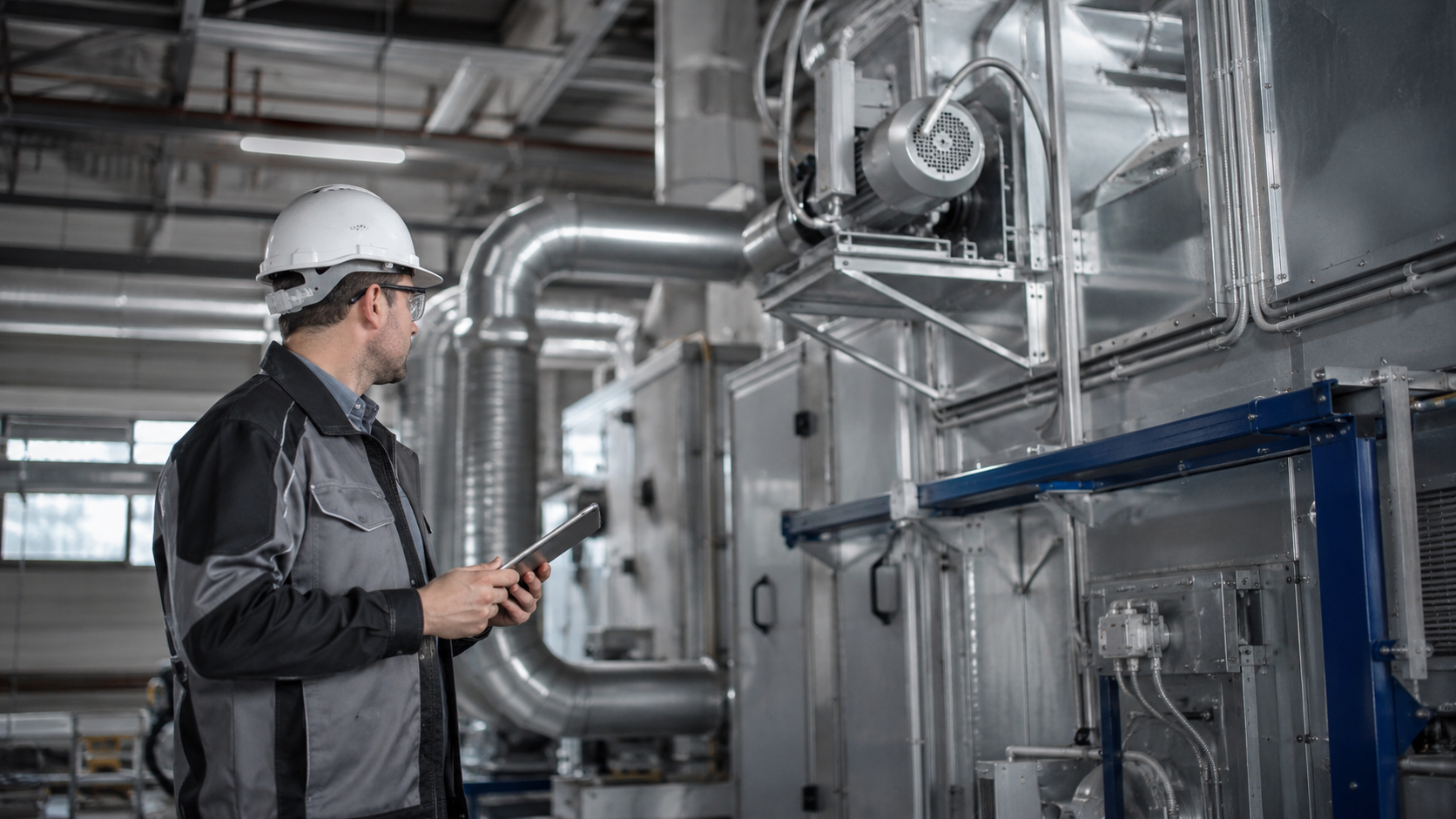
Common technologies include heat exchangers, economizers, heat pumps, and thermal storage. The correct choice depends on temperature and contamination. Exhaust containing dust, grease, or corrosive chemicals may require special materials and frequent cleaning. Designers must ensure that recovery equipment does not create back pressure, safety risks, or downtime in the main production line.
Financial results depend on the energy displaced. Recovering heat that replaces expensive gas or electricity can deliver a strong return, while a project that offsets low-cost energy may take longer. Maintenance, monitoring, and production interruptions should be included in the calculation. Grants or tax incentives can help, but a system should remain operationally sensible without them.
Data makes performance visible. Meters can compare captured energy with expected output and warn when fouling reduces efficiency. Operators also need training to recognize abnormal temperatures and bypass the system safely during maintenance. A technically sound installation will underperform if staff see it as an unfamiliar attachment rather than part of normal production.
Heat recovery is not a universal solution, and efficiency work should first eliminate unnecessary energy use. Yet many factories contain steady sources that can serve nearby demand. Careful measurement, realistic economics, and simple integration allow manufacturers to lower costs and emissions together, turning energy that once disappeared through a vent into useful productive input.
Each successful project also builds internal knowledge that can guide the next investment. Teams learn where thermal energy exists, how processes interact, and which efficiency measures can be expanded without compromising reliability, safety, or product quality.