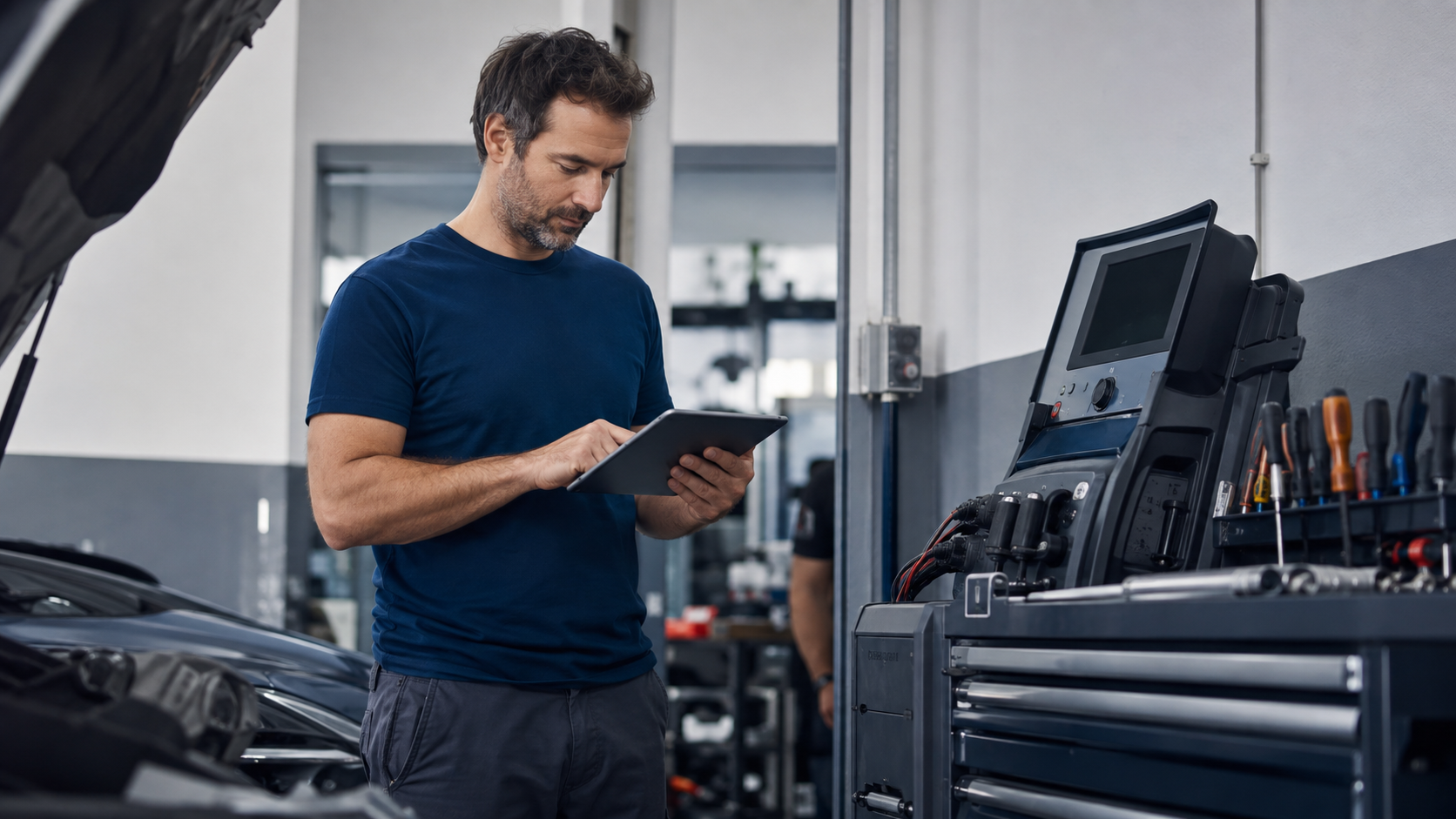
Independent repair shops have long depended on paper invoices, handwritten notes, and the memory of experienced technicians. A growing number are replacing that system with digital service records. The change may appear administrative, but it can improve diagnosis, customer trust, inventory planning, and the long-term value of a small repair business.
A digital record connects each vehicle or machine with previous faults, parts, measurements, and recommendations. When a customer returns, the technician can see what was inspected and what was postponed. That history reduces repeated work and helps staff identify recurring problems. It also makes service more consistent when a different employee handles the next visit.
Customers benefit from clearer evidence. Shops can attach photographs, diagnostic readings, and itemized estimates before work begins. Owners then understand why a repair is recommended and can approve specific tasks remotely. Transparent documentation does not guarantee agreement, but it reduces misunderstandings that often arise when technical findings are explained only in a brief phone call.
The information also supports purchasing. If records show repeated demand for a particular filter, belt, or electronic component, managers can keep the right quantity on hand. Slow-moving parts can be ordered only when needed. Better inventory decisions release cash that would otherwise sit on a shelf, an important advantage for small workshops operating with narrow margins.
Adoption requires discipline. Technicians must enter useful notes, choose consistent descriptions, and protect customer information. A system filled with incomplete records offers little improvement over paper. Shops should define who can view data, how backups are handled, and how records can be exported if the software provider changes its prices or closes.
Digital histories may become even more valuable as products contain more connected electronics. Repair decisions increasingly depend on software versions, sensor readings, and earlier updates. Independent shops that organize this information can compete on knowledge rather than only price. They can also provide customers with a portable maintenance history when equipment is sold.
The transition works best when technology supports the existing craft. A tablet cannot replace observation, experience, or honest judgment. It can, however, preserve those judgments and make them available at the right moment. For independent repair businesses, that combination of skilled work and reliable records is becoming a practical way to build loyalty and operate more efficiently.
Over time, organized records can strengthen the shop’s reputation beyond individual employees. Customers receive continuity, new technicians learn faster, and the owner gains a clearer picture of which services produce value and where further training is needed.